A little over 12,000 kilometres separate the Dolby Theatre (home of the American Academy Awards) from the village of Masafer Yatta in the West Bank. When it was announced that the best documentary award went to ‘No Other Land,’ about the brutal displacement of Palestinian villagers by the Israeli authorities, the time in the West Bank was 3am. But as soon as Israeli politicians woke up and heard the news, the reaction came fast.
“A sad moment for the world of cinema,” declared the Israeli culture minister Miki Zohar, calling on institutions funded by his ministry not to screen the film, which he claimed presented a distorted picture of the Israeli Palestinian conflict. Other Israeli politicians stood by Zohar and his boycott call. Some used the opportunity to demand that state funding be withheld from films that criticise Israel. The mirror that the film held up to Israeli society was too horrifying, and the image reflected was too ugly for Israeli politicians to dare look at for long. The Oscar for ‘No Other Land’ was seen by many in Israel as the ultimate evidence of anti-Israeli bias in Hollywood, leading to angry tweets from Israeli MPs.
They weren’t alone. Ironically, those right-wing Israeli Knesset members received support from pro-Palestinian circles. For Israel’s right, the film was excessively sympathetic to Palestinians. For Boycott, Divestment and Sanctions (BDS) supporters it committed the unforgivable sin of Israeli Palestinian collaboration itself. The film’s very existence born of a friendship between a Palestinian villager and an Israeli activist became treason to those demanding ideological purity.
Even the Oscars acceptance speech drew fire from both sides. Israelis were outraged that the trauma of October 7th received insufficient acknowledgment: while Israel was criticised for “ethnic cleansing,” the suffering of the hostages was only briefly referred to, and Hamas wasn’t even mentioned. Pro-Palestinian voices seethed that the Israeli filmmaker dared speak at all rather than cede the stage entirely to his Palestinian colleagues.
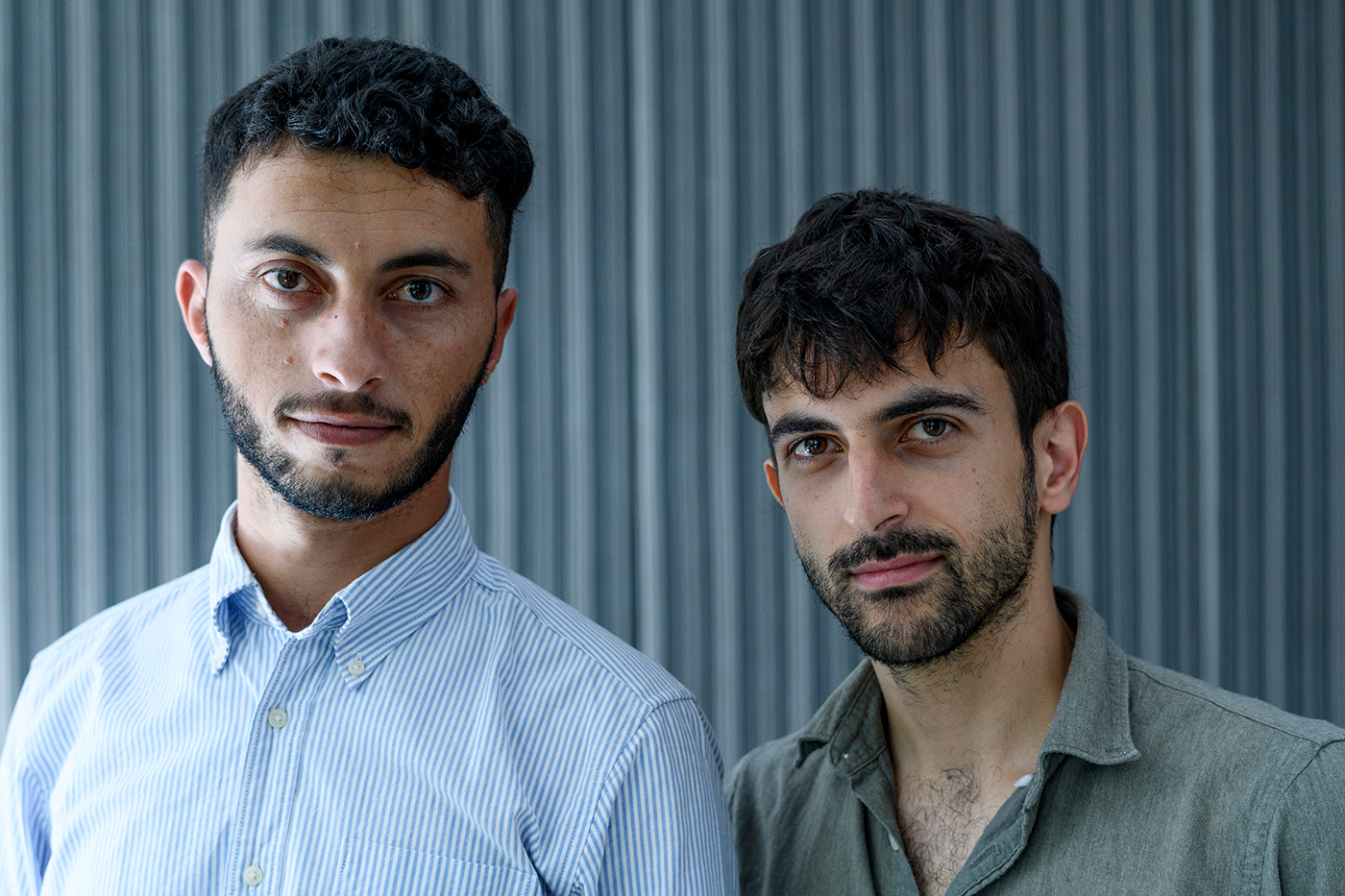
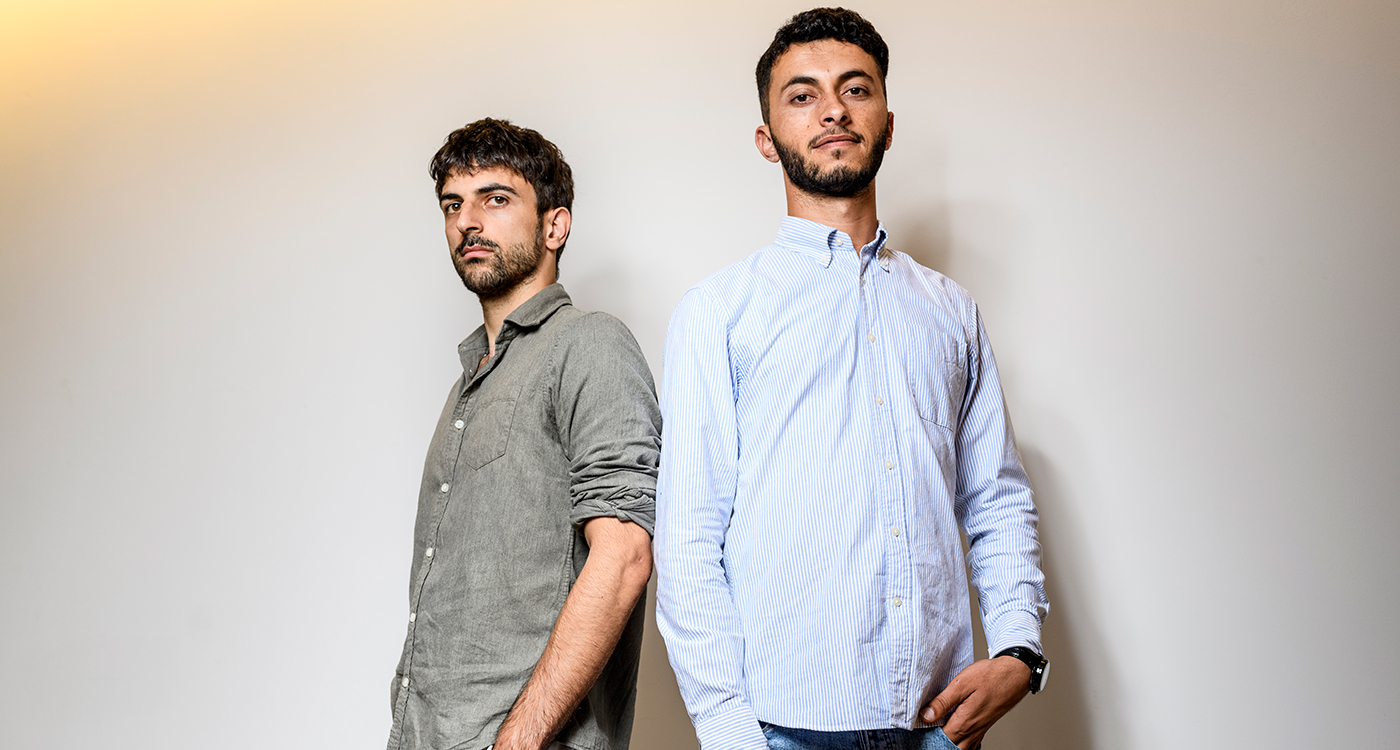
ABOVE: ‘No Other Land’ had been promoted by Yuval Abraham and Basel Adra (left and right) the most in the lead up to the Oscars, but it was created by four directors (two Palestinians and two Israelis – the other two being Hamdan Ballal and Rachel Szor). And shockingly, Hamdan Ballal was beaten up by Israeli settlers in the occupied West Bank, and subsequently detained overnight by Israeli soldiers and detained, just a couple of weeks after receiving his Academy Award. Ballal’s lawyer Leah Tzemel said that he had been “arbitrarily” held in detention and beaten while in custody by Israeli soldiers. Following his release, he was moved to a hospital in Hebron, where he had to be treated for his injuries.
‘No Other Land’ may go down in history as the documentary film that managed to anger most people on both sides of the political map. But the bitter row also reveals how ideological totalitarianism whether right wing or progressive obliterates the humanity of the other side. The Israelis refuse to recognise the humanity of Palestinians who are forcibly removed from their land in Masafer Yatta. Meanwhile, Boycott, Divestment and Sanctions (BDS) refuses any dialogue with Israelis who aspire to an Israeli state alongside a Palestinian state. For BDS it’s all or nothing. “All or nothing” ironically is also the favourite line of the Israeli right. But all or nothing leads nowhere.
As Mahmoud Darwish, globally known as the Poet of Palestine, once wrote: “The wars will end and the leaders will shake hands, and that old woman will remain waiting for her martyred son, and that girl will wait for her beloved husband, and the children will wait for their heroic father. I do not know who sold the homeland, but I know who paid the price.”
Indeed, after it won an Academy Award, more than a hundred Israeli filmmakers, including the Oscar nominee Ari Folman (creator of the documentary film ‘Waltz with Bashir’ from 2008) publicly defended ‘No Other Land’ against domestic boycott calls. “This film represents four young creators, Palestinians and Israelis, telling the story of one of the most persecuted communities in our land,” they wrote. Yet, at the same time, these very Israeli artists are boycotted by BDS. What ‘No Other Land’ ultimately demonstrates isn’t just the horrific reality of occupation but also the revolutionary potential of collaboration. When a young Israeli acknowledges Palestinian suffering while speaking of Israeli pain, he commits what has become a radical act: recognising that suffering isn’t zero sum.
Pro-Palestinian voices refusing to acknowledge the horrors of October 7th and pro-Israeli voices dismissing Gaza’s devastation are trapped in the same self-defeating loop. Between the two extremes lies a narrow, treacherous path few dare travel, where instead of trying to cancel the other, you try to create something together.
Perhaps, to some degree, this explains the violent rejection of ‘No Other Land’ from all quarters. In a conflict defined by absolutism, there is no more radical force than empathy.
PHOTOGRAPHY: Juan Naharro
Related Posts