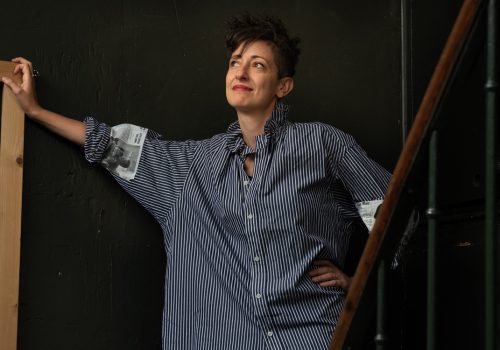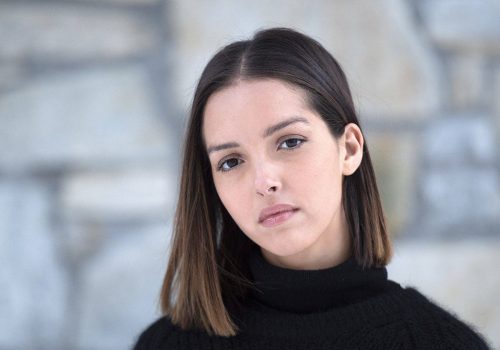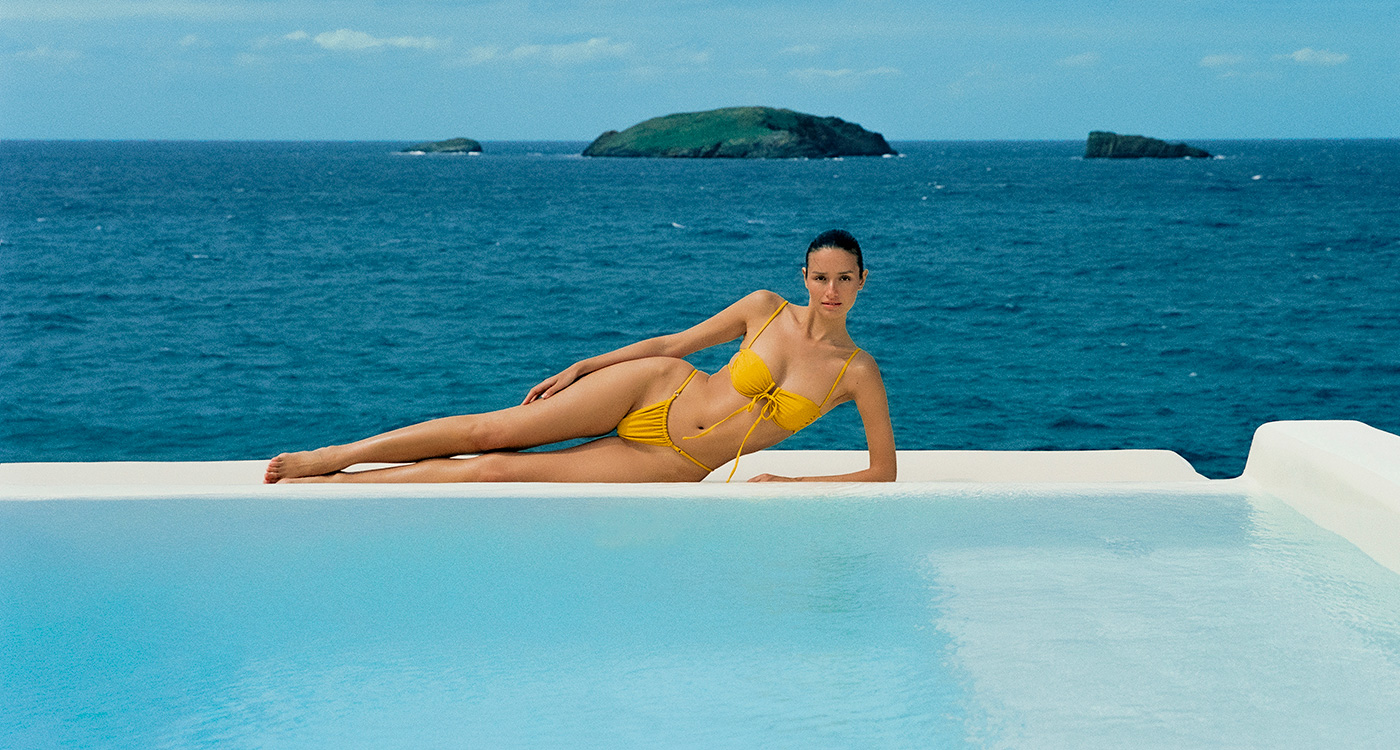
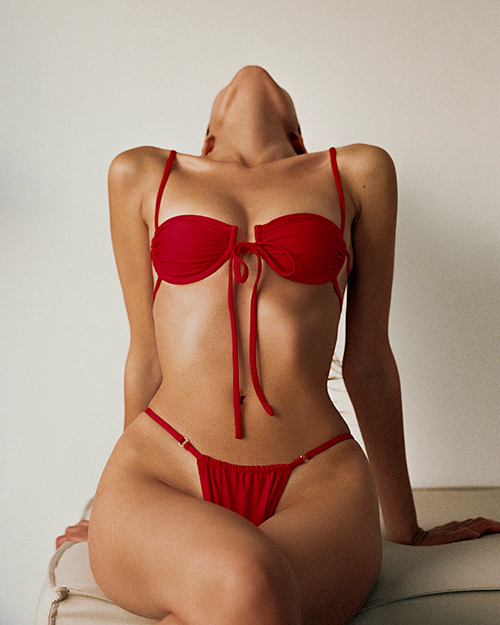
 Léa Daaboul, the Lebanese-American founder of Léa the Label, moved to Dubai a decade ago; a decision which she describes as a “mix of business and love’’. As it turns out, she relocated to be with her now husband, Michel Hakim, but also to sow the seeds for her eponymous brand (which would kick off three years later, in 2018). She reveals that the idea for Léa the Label began because, as a yoga instructor, she would often travel to Bali from Dubai. And, as she began to tour the island, she quickly learnt that it had developed into one of the world’s largest swimwear manufacturers. After much research, she eventually narrowed down to one manufacturer that was exceptionally focussed on sustainability. “It felt like the perfect match,” explains Daaboul. From there things began to fall in place, as she worked on samples and toyed with different fabrics, they introduced her to Econyl, the top-tier eco-friendly Italian fabric. Indeed, it was while making those early prototypes that she says she figured out the space in which she wanted to operate. “I saw that there was a gap in the market, as most of the eco-friendly brands were rather bland. My swimwear was going to be fun, bold and edgy, but with a good carbon footprint,” says Daaboul.
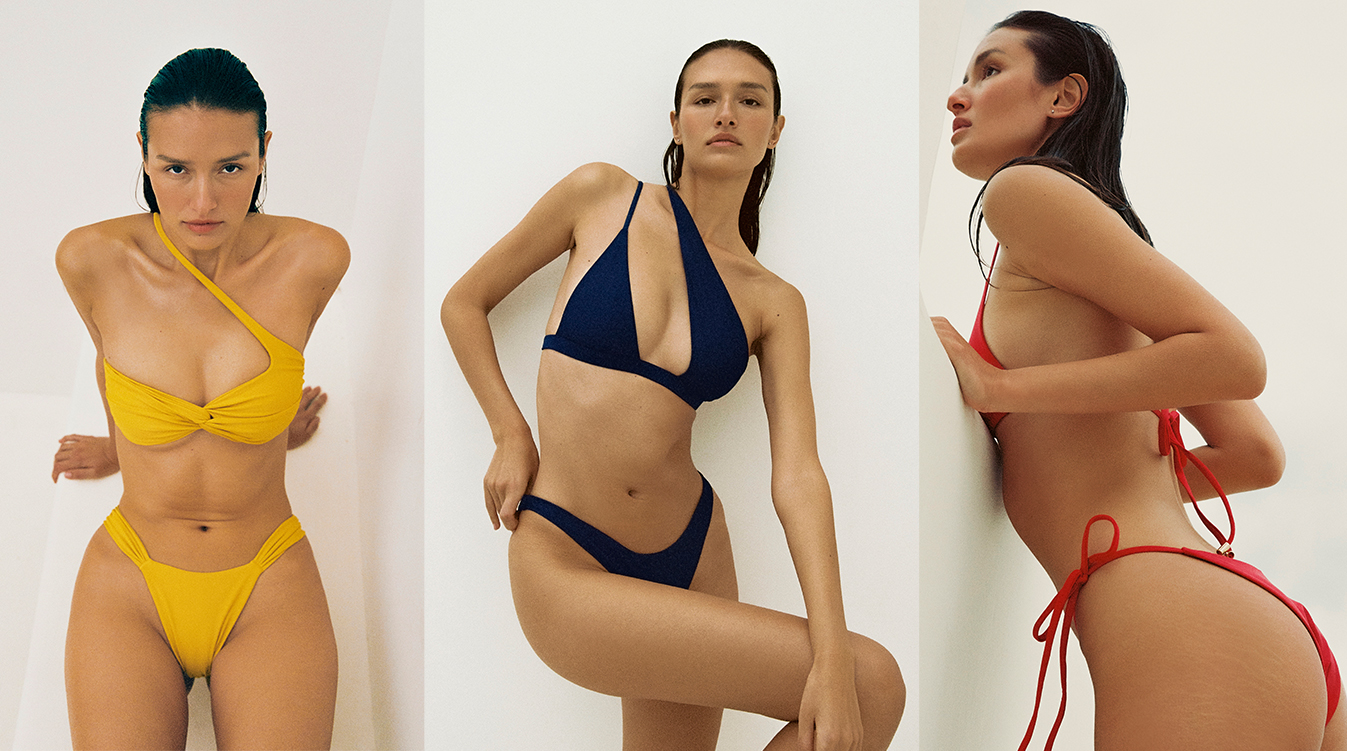
Fit, style and the quality of craftsmanship were all paramount and it took a lot of trial and error to get what she was envisioning apparently, but her efforts paid off. With a range of original styles at launch it turned out to be the unconventional asymmetric ones that became the early best-sellers. “Fast forward a number of years and you now see quite a few other brands offering such designs,” she muses. “And now we have China and Shein getting in on the act as well. Even Zara recently copied one of our designs, they literally created almost the exact same set. But I’m like, well, this is a compliment!” Where most might be annoyed or even threatened by such imitation, she takes solace in the fact that Léa the Label is all about quality and being purpose driven.
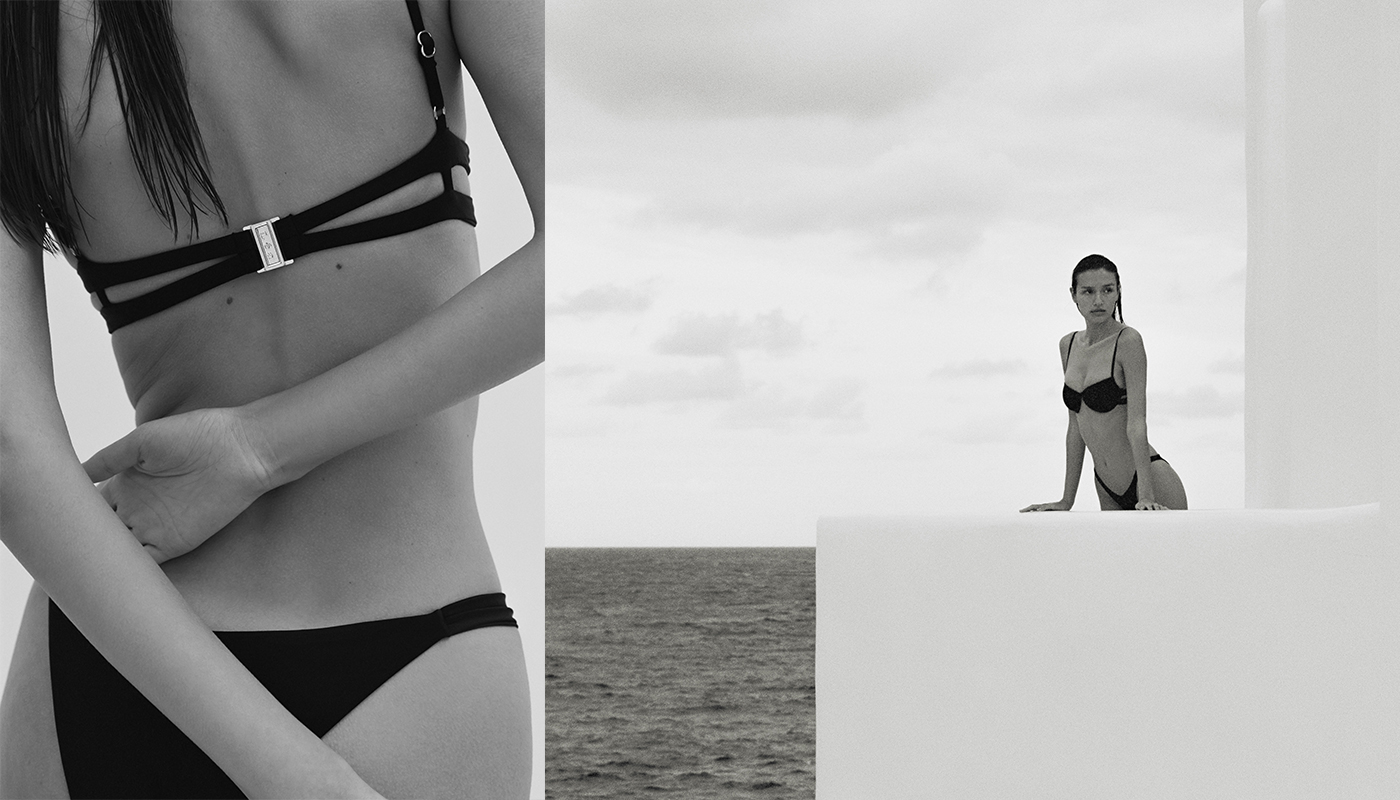
Unlike most brands out there, Léa the Label’s swimwear is ultra-resistant to chlorine and sun-tan oils. It is also UV protective and feels ultra smooth and buttery soft to touch and that helps not just ensure the best possible fit but also longer lasting wear. Yet, it’s the green aspect of the brand that’s clearly very close to Daaboul’s heart. On the one side, the brand works with CleanHub in Bali, meaning that for every Léa the Label product sold, almost 500 grammes of plastic is collected (equivalent to 25 plastic bottles). Add to that the fact that Econyl, the fabric they use, has been made from 100 per cent recycled yarn, derived from post and pre-consumer nylon waste, like discarded fishing nets, industrial plastic waste, fabric scraps and old carpets. Through a closed-loop process, these salvaged materials are transformed into a premium fabric. No wonder Daaboul is happy with those credentials.
Remarkably, all Léa the Label bikinis can also be mixed and matched. And, even though the brand launches new styles every season, the colours stay the same, which allows customers to add a new bottom to an existing top or the other way around, thereby injecting freshness to their beachside looks. And if you peruse their website, you’ll see the resortwear has been made to complement the swimwear, but it can also worn on its own.
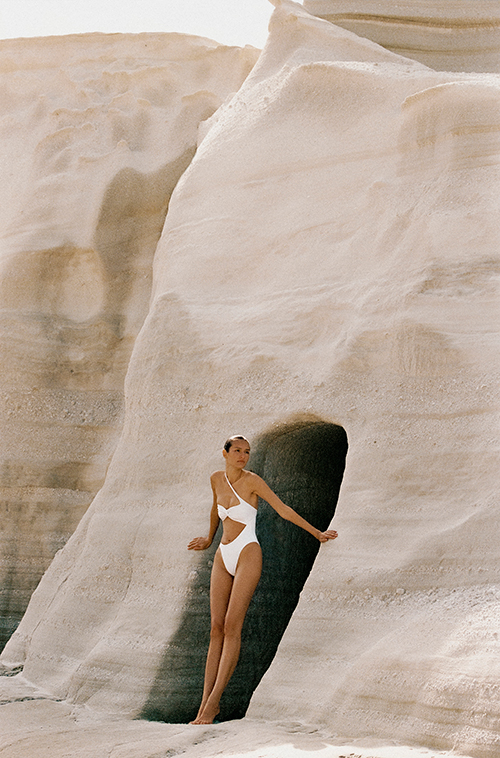
Now, where can you buy all this great stuff? In addition to the label’s e-commerce store, Léa the Label is currently sold in Selfridges in London and Bloomingdale’s in Dubai Mall. It’s also available at Twiggy in Dubai and there are some additional UAE retailers being added this autumn. Daaboul adds that the brand recently participated in Cabana 2025 Miami, one of the biggest trade shows for resort and travel lifestyle brands but she’s quick to point out that she’s in no rush to expand too quickly. “We all want to make money, but you must balance between profitability and what resonates with the brand.”
It turns out that Daaboul’s formative years were spent in Lebanon with frequent family holidays to nearby Cyprus. She recalls carefree summers at the beach and the expansive views from their family home. “I would watch the sunset every single day over the sea. It’s like, you have an endless view. I think those memories stuck with me forever, they gave me nostalgia especially when I moved to the US, where it’s completely different,” Léa reminisces. Indeed, it was at the age of nine that she immigrated to the US with her parents. By 17, she decided to leave for Europe. Her first stop was Italy, spending time in Florence and Rome, studying art history, photography and film. She then transferred to ESMOD in Paris and completed a fashion degree specialising in lingerie. Not quite ready to start her own business but wanting to gain experience, she went to New York. There she worked in the luxury retail industry, learning the ropes through different roles. It so happens that Daaboul comes from a household of entrepreneurs (her family are in the distribution of luxury watches and jewellery in Boston), as a result, she says that when she needs advice, it’s great to know her father is just a phone call away.
Travel plays a pivotal role in both Daaboul’s private life and her business. In addition to frequent business trips to Bali, Léa and her husband love to explore a new Greek island every year. “We just choose one on the map and test it out,” she says. Recently they discovered the island of Folegandros in the Southern part of the Cyclades, but she also recommends Sumba, the “still unspoiled Indonesian island paradise”. You can find these and other recommendations by Léa on the brand’s website, along with stunning images.
Léa the Label continues to be manufactured in Bali, using the best materials from Italy. Dubai serves as the operational hub, as this is where they have their warehouses and Daaboul has no plans to change this set up. “This is how we’ve done things since the beginning,” she stresses. “It has been so rewarding to me personally to create not just the brand but a community as well.” Today, the challenge she faces is competing with the big brands in the high-end swimwear sector. Being a sustainable brand following ‘slow fashion’ and being profitable may seem like a mission impossible, but Léa the Label is living proof that anything is possible.
Photographer: Susan Buth
Related Posts